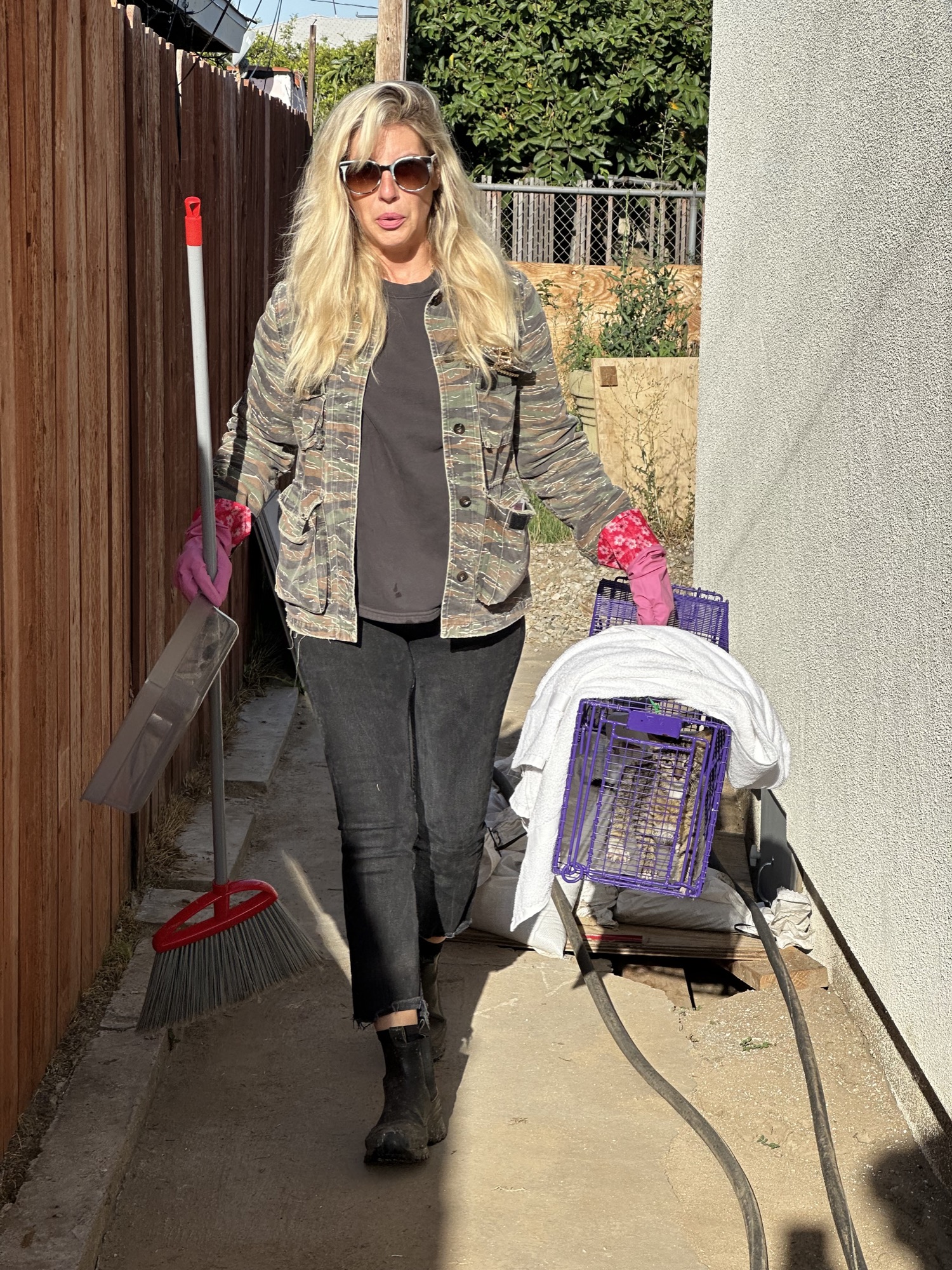
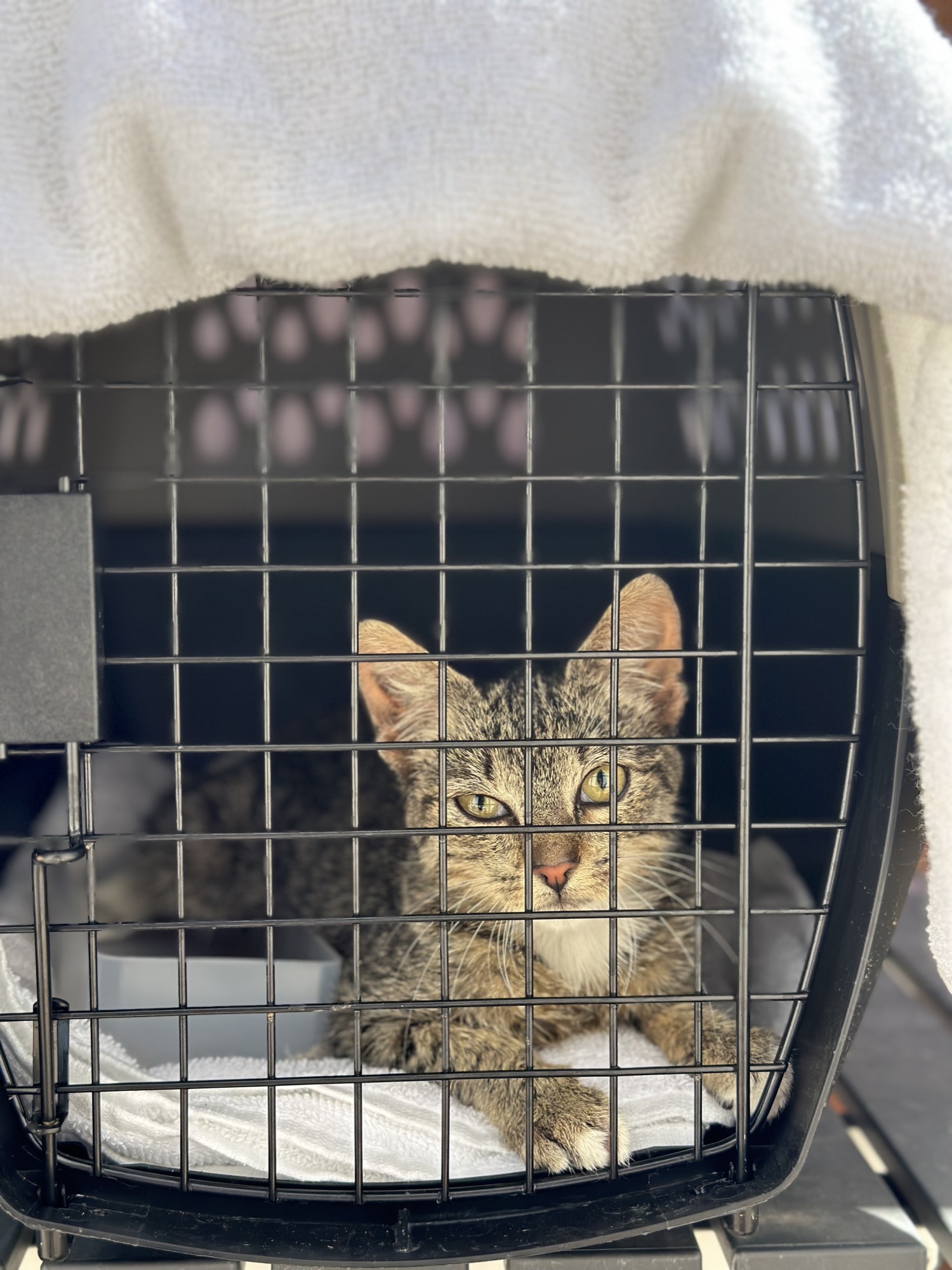
Trapping isn’t just for TNR (Trap-Neuter-Return); it can also be a lifesaver for a kitten or cat in need of rescue, or even a cat that’s escaped and won’t come back inside. While some may have mixed feelings about TNR, the reality is that with 1–3 million cats on the streets of Los Angeles, idealism won’t solve the issue. Shelters and rescues are overwhelmed, and the rate at which cats reproduce is simply too fast for adoptions to keep up. With TNR, at least female cats don’t have to endure continuous pregnancies they don’t want, and the population growth is curbed, targeting the root of the problem.
A major contributing factor to the overpopulation of cats in Los Angeles is that many cat owners don’t spay or neuter their cats, and don’t realize the importance of microchipping. If a cat escapes or is allowed to roam outdoors, it risks either getting pregnant or contributing to the feral population by impregnating other cats. TNR helps address this, offering a more humane solution than letting additional cats fend for themselves on the streets. Plus spaying and neutering often lowers the drive for a cat to want to roam outside, which lessens the likelihood of mating along with eliminating a spraying problem.
watch our tnr video